by Simone LeCompte, The Smart Fit Method Yorba Linda
Exercise is one of the cornerstones of a healthy lifestyle. Exercise helps improve cardiovascular health, strengthen muscles, and boost overall well-being. But how much exercise do you need to get? There are many different theories on the minimum effective dose of exercise.
In the world of fitness, there's a pervasive myth: more is always better. Some fitness enthusiasts reject the idea of a "minimum effective exercise dose" outright, claiming since a little exercise is good, then tons of exercise must be even better.
But is that the truth? Let's dive into the concept of the minimum effective dose of exercise and shatter some fitness fallacies along the way.
Is exercise stress good for the body?
First off, we need to understand that exercise, at its core, is a stressor on the body. Yes, you heard that right – stress. But before you throw your gym shoes out the window, let’s clarify.
Exercise produces a beneficial stressor, called hormetic stress. This type of stress, when managed correctly, will produce a positive adaptation in the body. The key lies in the dosage. Just like medication, too little won't have the desired effect, and too much can be detrimental.
The minimum effective dose is the amount of exercise that elicits the optimal response in your body. It's that sweet spot where you're challenging your body to adapt and improve without overstepping and causing harm or stalling progress.
So, how do we find this Goldilocks zone of fitness? How can we know the right amount of hormetic stress to produce to achieve a positive adaptation in our training?
Minimum effective dose - strength training
Firstly, let's talk about strength training, a staple in any quality exercise program. The prevailing wisdom often goes like this: lift heavy, hit it hard, and leave the gym crawling.
While there's a time and place for intensity, the most effective dose of resistance training is one where you can maintain good form, focus on the mind-muscle connection, and give your body enough stimulus to grow stronger without overtraining. Generally, this means lifting weights 2-3 times per week.
When you lift weights, focus on multi-joint movements like squats, deadlifts, and presses. These exercises work multiple muscle groups and elicit a substantial hormonal response, making them incredibly efficient.
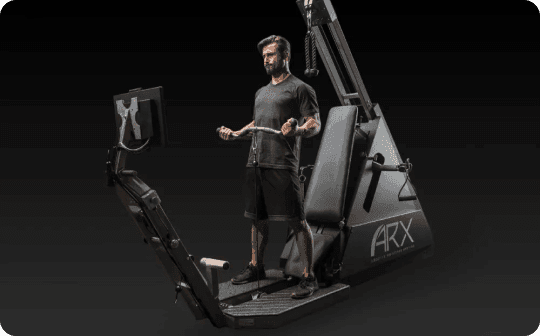
And when you use equipment like the AI-adapted ARX found at The Smart Fit Method, you can complete an entire, full-body workout in a single, 20 minute session. Check out this footage from Fox5 San Diego showcasing the power of the program.
It’s the perfect amount of hormetic stress that allows for the maximum amount of recovery time. Head into one of our longevity studios for your complimentary consultation to try the protocol out for yourself, and work with one of our personal trainers to determine the right program for you.
But weight training is only one piece of the exercise dosage puzzle. Next, let’s talk about cardio.
Minimum effective dose - cardiovascular training
Long, grueling cardio sessions have always been the go-to for fat loss. However, they're not the only way, and they’re far from the most effective way, as we’re about to show.
High-intensity interval training (HIIT) can yield significant cardiovascular benefits and fat loss in a fraction of the time compared to traditional steady-state cardio. A HIIT session could last as little as 20 minutes but will leave your metabolism firing on all cylinders for hours afterward.
It's like investing in a stock that gives you continuous returns throughout the day. Not to mention, a short HIIT session won’t make you want to, as Business Insider reports, eat your entire refrigerator after a session.
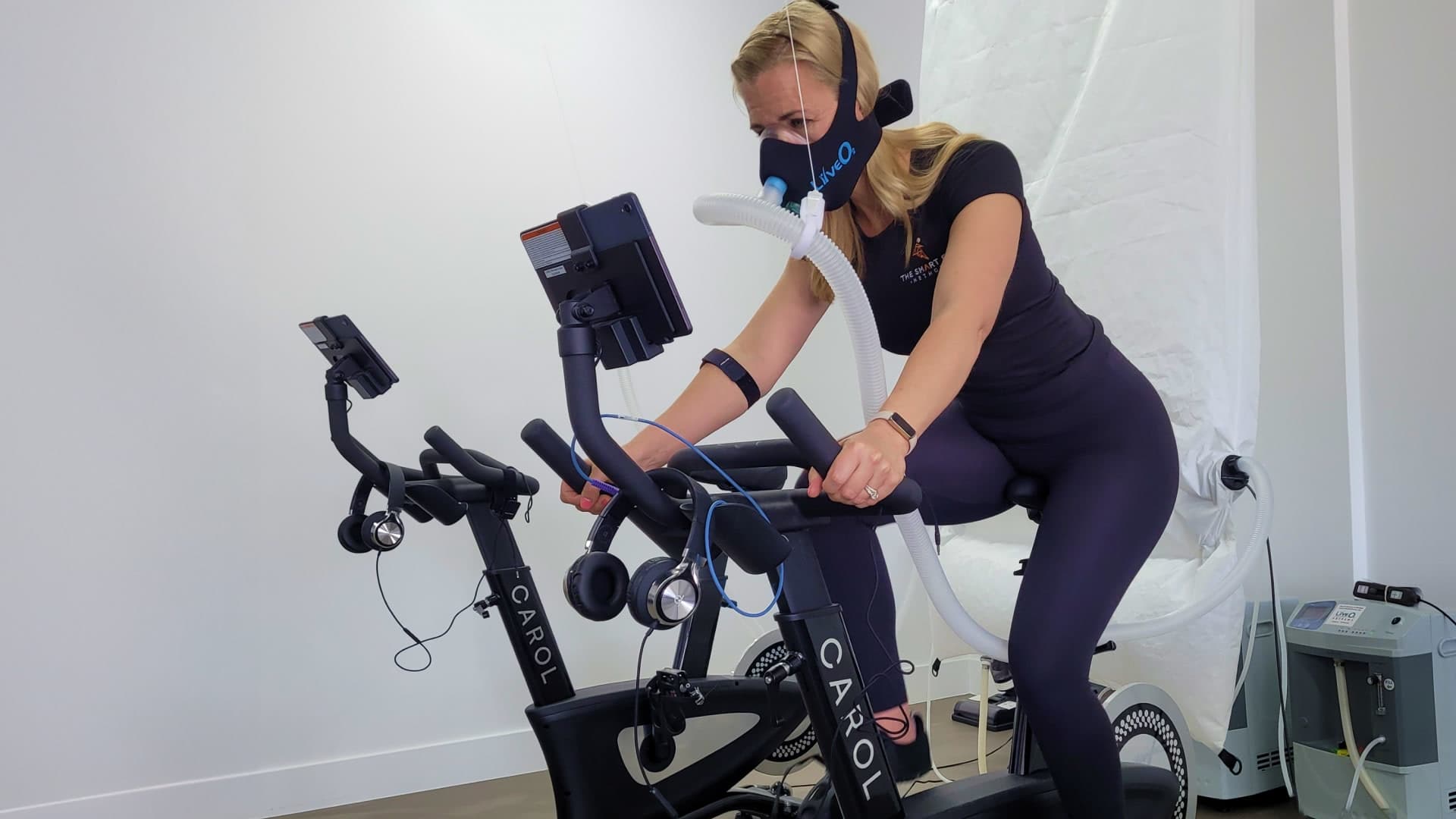
But a word of caution: HIIT is intense, and the effective dose here is small. Two sessions a week is plenty, and always allow for a day of recovery in between. That’s why our HIIT protocol at The Smart Fit Method is only 8 minutes and 40 seconds long, and we ask our clients to complete it once per week.
Want to try out a Smart Ride session? Head into one of our longevity studios near you and talk to a trainer for more information!
How do I know if I’m improving physically? Recovering from exercise stress
Now, the million-dollar question: How do you know if you've hit your minimum effective dose? When adaptations to the body come so gradually, how can you know your program is working optimally?
Adaptation comes in recovery, so rest is critical. Knowing how much to do is all about tuning into your body. Are you progressing in your workouts? Do you feel energized or drained? Are you getting stronger and faster? If you're constantly sore or dreading your next workout, you might be overdosing.
Chronic soreness, plateaued progress, and a lack of joy in your training are clear signs that you need to dial it back. Remember, exercise should be a lifelong practice, not a seasonal fling.
Mastering your fitness through minimum effective dose
Finding your minimum effective dose is both a science and also an art. It's about understanding the principles of training, listening to your body, and adjusting as you go along. It's about being as efficient with your time in the gym as you are with your time outside of it.
Because at the end of the day, fitness is not about grinding yourself into the ground; it's about building yourself up, brick by brick, to live a fuller, healthier life. At The Smart Fit Method, we offer an easy solution to all these considerations. We have state-of-the-art fitness equipment that tracks your progress and adjusts to your needs as well as personal trainers to guide your workouts and give critical advice. The Method is formulated to give you the perfect amount of stimulus and recovery.
So, take a step back, and evaluate your current regimen. Ask yourself: “Am I hitting my minimum effective dose? Am I tired or energized? Do I want to skip this workout, or am I excited to complete it?”
Your body will thank you for taking the time to analyze your current dose, and you'll be well on your way to sustainable, lifelong fitness when you make the change to The Smart Fit Method.