New: Sport Performance Programs - Built for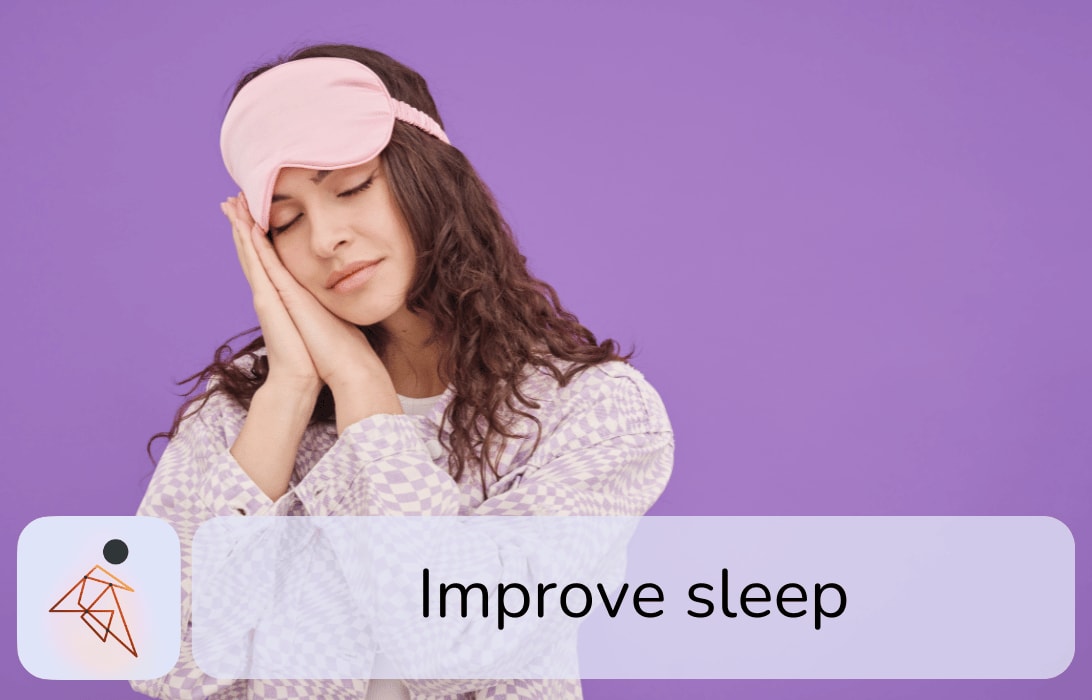
Improving your sleep is one of the most important things you can do for your health, as sleep is the time when the body recovers from exercise stimulus, repairs its systems, processes memories, and more. However, getting good sleep is increasingly difficult in this day and age. From digital distractions to increasing work stress and all of the incidental lifestyle factors that come with it, there are so many roadblocks getting in the way of your quality shut-eye.
Let’s start by addressing some of the factors that impede sleep, then move on to discussing the ten tips we give at The Smart Fit Method to improve nightly sleep in our personal training clients.
What is sleep anxiety?
Have you ever had so much trouble falling asleep that you began to worry about going to bed? You’re not alone. Sleep anxiety is a real thing, and the longer your sleep issues persist, the worse your sleep anxiety will be.
Sleep anxiety, or somniphobia, involves a persistent sense of worry or dread associated with sleep, which can significantly disrupt both the process of falling asleep and the quality of sleep itself. This anxiety can lead to frequent wakings and can manifest as a racing heart, sweating, or muscle tension.
There are a few factors that contribute to sleep anxiety, including life stressors, pre-existing sleep disorders, or mental health conditions such as anxiety or depression. It isn’t clear what begins this vicious cycle, but it’s important to identify the steps you can take to improve your sleep hygiene, which we will discuss later.
How work stress affects sleep
At some point, every one of us has been unable to sleep because we’re thinking about our work. The trouble begins if this persists and too many nights are interrupted. Bad sleep due to work stress can compound issues you’re having in your workplace and actually make them worse, so it’s important to address how work stress affects sleep.
The AASM Foundation (American Academy of Sleep Medicine) describes most work-stress sleep disturbances as a ruminative behavior. Thinking about the same scenarios over and over as you lay in bed is how this issue normally manifests. Ironic considering nighttime is when you are least capable of solving those problems.
They also assert that sleep issues are only one of the symptoms of problems at work. Other signs include headaches, irritability, concentration issues, and gastrointestinal issues.
You may not be able to quit the job you hate, but you can manage your symptoms when it comes to work-related stress and anxiety. Let’s move into our solutions to improve your sleep.
10 tips to improve sleep
Establish a Consistent Sleep Schedule
Go to bed and wake up at the same time every day, even on weekends.
Limit Screentime
Reduce blue light from phones, tablets, and computers at least an hour before bed.
Optimize Your Sleep Environment
Make your bedroom cool, dark, and quiet. Consider using blackout curtains, earplugs, or a white noise machine.
Limit Caffeine and Nicotine
Avoid consuming these stimulants in the hours leading up to bedtime.
Be Mindful of Food and Drink
Avoid heavy meals and excessive fluids close to bedtime. Finish your dinner at least three hours before you plan to go to bed, and try to only take little sips of water if you tend to wake up in the night to use the bathroom.
Exercise Regularly
Engaging in physical activity, especially on our program, will not only give you more daily energy, but it will help balance your systems and aid sleep at night. Our Cold HIIT protocol is proven to reduce cortisol, meaning you’ll have the best sleep of your life after a session.
Manage Stress and Anxiety
Practice relaxation techniques such as deep breathing, meditation, or journaling before bedtime. Try to clear your mind from work at least two hours before bed.
Get Exposure to Natural Light
Dr. Andrew Huberman advocates for natural light exposure within 30 minutes of waking. This sets your Circadian rhythm and signals your body to begin getting tired in the evenings.
Avoid Alcohol Before Bed
While alcohol might make you feel drowsy, it elevates your baseline cortisol levels, which any wearable health tracker will read as stress all night long.
Evaluate Your Sleep Patterns With a Wearable
Take an honest look at your routine and incorporate a wearable device such as a Garmin or Apple watch or Oura ring. These devices are very handy at telling you when sleep is good versus when it is poor, which will allow you to analyze the events of that particular day to determine what could have sabotaged your beauty rest.
Exercise for better sleep at The Smart Fit Method
Exercise is a critical component of getting good sleep. How many times have you felt that you were mentally exhausted but physically wired? Keeping the body in harmony will ensure you are always feeling your best, and that starts with using your muscles and your cardiovascular system in a way that keeps you safe.
Our program combines AI-enhanced weight training, cardiovascular protocols for fat burning and endurance improvements, and the Cold HIIT protocol to improve hormone response and enhance sleep. These powerful modalities combine to form our Method, and we’d love to have you in a studio soon to see how it can improve your life. Check out our website to look for a studio near you and book a free consultation with a personal trainer today. You can also join our mailing list for up-to-date information on health and fitness topics every week.